
Brand strategy
Brand strategy vs brand identity: what comes first?
| 5 min read
Brand strategy comes first. It decides who your brand is for, what it promises and how it sounds. Brand identity comes second and gives that decision a face: the logo, colors, type and imagery. Design the identity before the strategy and you get a good-looking brand with nothing to say.
That is the short answer. The rest of this guide covers what each one includes, how to tell which one your business is missing, and what it looks like when they are built in the right order.
What is brand strategy?
Brand strategy is the plan behind the brand. At our studio, brand strategy work covers four things:
- A brand audit: an honest look at what you have now and where it falls short
- Brand positioning: who you serve and why they should pick you over the alternative
- Brand messaging: the handful of ideas you repeat everywhere
- Brand voice: how you sound when you say them
The output is a written document. It should be short enough that your team reads it and specific enough that a designer or copywriter could work from it without calling you.
What is brand identity?
Brand identity is everything people see. Brand identity design usually includes a logo suite, a color palette, typography, supporting graphics such as icons or patterns, art direction for photography, and brand guidelines that explain how the pieces fit.
Guidelines get skipped more than anything else on that list. Research published by Marq (formerly Lucidpress) found 69% of companies say their brand guidelines are not widely adopted or do not exist. A logo with no rules around it drifts within a year.
Brand strategy vs brand identity at a glance
| Brand strategy | Brand identity | |
|---|---|---|
| Question it answers | What do we stand for, and who is it for? | What do we look like? |
| Main deliverables | Brand audit, positioning, messaging, voice | Logo, color, typography, art direction, guidelines |
| Who uses it | Founders, marketing, sales, writers | Designers, printers, web developers, social teams |
| When it changes | When the business or audience changes | When the strategy changes or the look dates |
How to tell which one you are missing
Most businesses that contact us have one of three problems.
You look good but say nothing. The logo is fine and the website is tidy, yet customers cannot explain what makes you different. That is a strategy gap. New visuals will not fix it.
You say something but do not look the part. The offer is clear and the product has traction, but the brand looks like an earlier, smaller version of the company. That is an identity gap. Numanu came to us here: a practical product with proven traction and a fragmented identity that was not communicating its value. We ran a brand audit, then built the creative direction around one idea, the balance between movement and rest. It became the line "Built for Movement, Ready for Rest" that Numanu uses today.
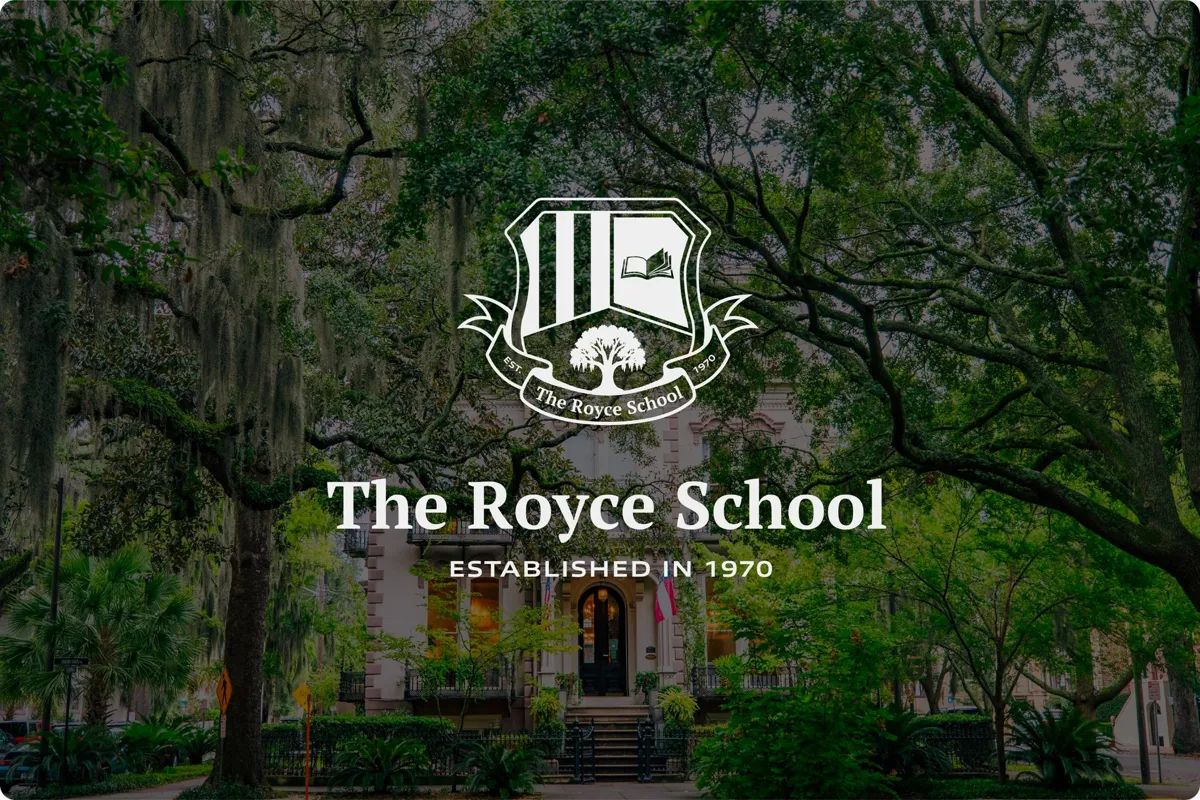
You are known by too many names. Growth adds programs, products and sub-brands until nobody outside the building can follow. The Royce School in Savannah was known through multiple names and programs. A complete brand audit and identity recreation brought its full-time school, tutoring and summer programs under one brand, with a custom crest that reflects student growth and the school's Savannah roots. You can see it live at royceschool.org.
Why strategy comes first
Identity decisions are choices between good options. Green or blue? Serif or sans? Playful or formal? Without strategy those are matters of taste, and the loudest person in the room wins. With strategy, each choice has a right answer.
PostGhost is a clear example. The service deals with junk mail, an everyday annoyance. The strategic call was to make it feel like the start of something better, with enough personality to make people smile and enough simplicity to keep the service clear. A friendly ghost mascot follows from that decision. Nobody arrives at a ghost by picking colors first.
Diibs shows the same order with words. Its auction-style way of booking restaurant tables was new, so the first job was brand messaging that explained it to diners and venues. "Bid. Win. Dine." came out of that work, and the typography, palette and icons were designed around it.
When you can start with identity
Sometimes the strategy already exists and nobody has written it down. If you can answer these in one sentence each, you may be ready to go straight to design:
- Who is our best customer?
- What do they get from us that they cannot get elsewhere?
- What three words describe how we sound?
If the answers come easily and your team gives the same ones, a logo refinement or brand identity project can start right away. If they do not, begin with strategy. Our guide to how much branding costs breaks down what each stage runs.
What comes after identity
A brand is finished when people can use it. That means a website designed around the brand, copy in the brand voice, and templates for the things you make every week. Hotel Casa Blanca in Ajijic, Mexico shows the full run: messaging and identity built around color, culture and connection, then carried into stationery, print and a new website. We wrote more about that last step in why website copy and design should be built together.
Common questions
Is a logo a brand identity?
No. A logo is one part of a brand identity. The identity also includes color, typography, imagery and the guidelines that keep them consistent.
Can one studio do both brand strategy and brand identity?
Yes, and it usually goes better. When the people who wrote the strategy also design the identity, nothing gets lost in a handoff. Incubix offers brand strategy, identity, web design and copywriting as one team.
How do I know if I need a rebrand or a refresh?
If the strategy still fits the business, refresh the identity. If the business, audience or offer has changed, start with strategy and expect a fuller rebrand. A free brand audit will tell you which one you are looking at.
See strategy and identity working together in our branding case studies, or read more about the studio.